





Locked Rooms and Loosed Selves: The Detective as Gothic Figure
Genre Crossroads | September 16, 2026
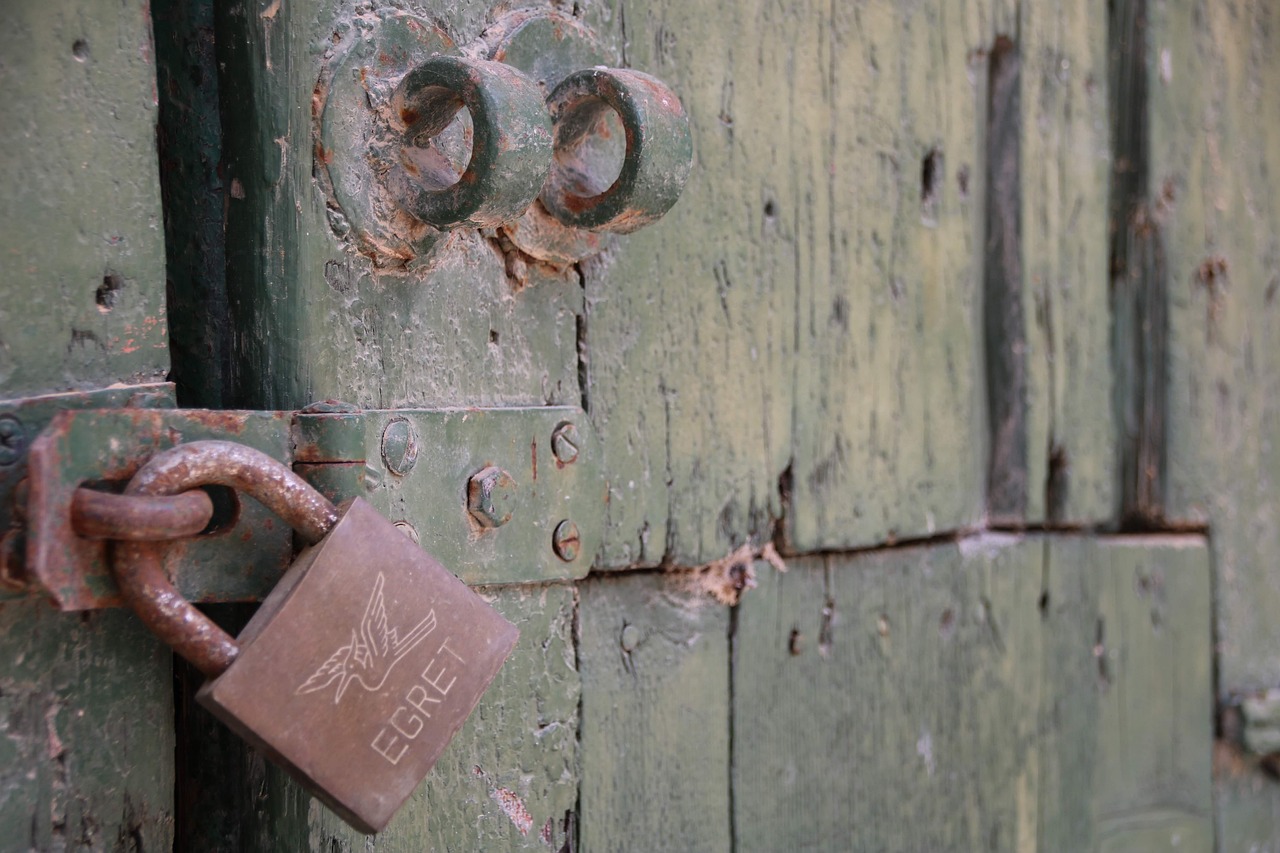
The locked room mystery and the gothic novel are usually shelved apart, one filed under puzzle, the other under mood. But read enough of both and the separation starts to look arbitrary. The detective and the gothic heroine are doing the same thing: walking into a space that has already decided something about them, and trying to leave with the truth intact.
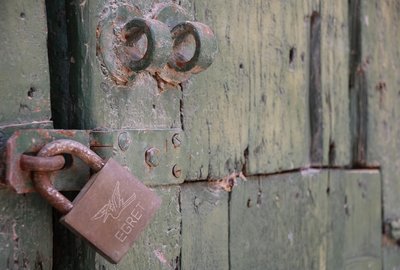
Consider what a locked room actually is. It is a promise that the answer exists, that the world is legible, that a sufficiently careful mind can reconstruct what happened from the residue left behind. The gothic tradition makes the opposite promise. Its spaces are not sealed but permeable. Its answers do not satisfy; they implicate. The detective wants to close a case. The gothic protagonist wants to close a wound, and usually cannot.
The Scene of the Crime as Haunted House
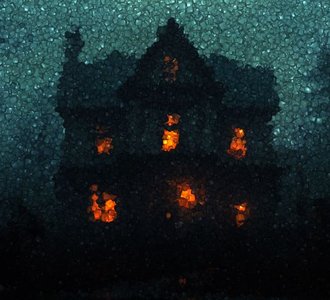
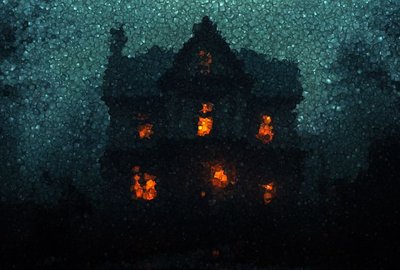
When the two forms meet, the result is often the most unsettling fiction either genre produces. A country house with a body in the library and a family that will not discuss the east wing. A small town where everyone knows the victim and no one will name the motive. These settings are puzzles and hauntings at once.
The trick is that the detective, in these stories, is not exempt from the atmosphere. Classic golden-age detection placed its sleuths above the mess, observing with a cool eye. Gothic-inflected mystery does the opposite. It puts the investigator inside the contamination. They have a personal stake. They recognize something in the victim. The house reminds them of a house they grew up in. The case is not a case. It is a recurrence.
This is when the genre cross-pollination becomes genuinely productive. The detective's method, all those small observations and logical chains, gets turned against them. Every clue they gather is also evidence about themselves. The solution, when it arrives, does not restore order. It rearranges the detective's understanding of their own past.
When the Solution Is Another Question
Readers who love mystery often love it for the reassurance. There is a corpse, there is a culprit, there is a moment of explanation, and then the world resumes its normal shape. Gothic readers, by contrast, are suspicious of normal shapes. They know that the tidy explanation is often the most comfortable lie in the room.
The best locked-room gothic refuses to choose. It gives you the solution, and the solution holds, and yet something remains unaccounted for. A detail that does not fit. A witness whose testimony cannot be verified. A room that was locked from the inside, which means someone was in there, which means someone is still in there, which means the case is not actually closed.
This is why the detective-as-gothic-figure has become so durable. We live in a time that offers endless explanations and very little resolution. A story where the answer is real but insufficient feels truer than either pure puzzle or pure haunting. The crime is solved. The house is still there. The detective goes home and locks the door, and the reader notices that the lock is on the inside.
-

-
The House That Remembers: Why Gothic Fiction Never Lets Go of Its Haunted Homes
Sep 15, 2026Genre Deep Dive

-
The Quiet Horror of the Unreliable Narrator: Reading Between the Lines of Dark Fiction
Sep 16, 2026Author Spotlight

-
Vampires Without Romance: Reclaiming the Monster in Modern Dark Fiction
Sep 3, 2026Craft & Analysis

-

-
Cold Cases, Old Ghosts: How Mystery and Gothic Fiction Borrow Each Other's Tools
Sep 27, 2026Thematic Deep Dive


Raven Rock Read

Place is not backdrop in dark fiction, it is pressure. How different regions of the world produce different kinds of horror.