


Small Towns, Long Memories: The Village as Villain in Dark Fiction
Thematic Deep Dive | September 7, 2026
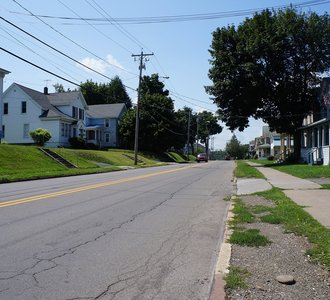
Some of the most disturbing dark fiction does not need a supernatural threat at all. It only needs a small town where everyone knows each other, and everyone has agreed, without ever saying so aloud, not to discuss a particular thing.
The village-as-villain is one of the oldest structures in gothic and mystery fiction, and one of the most durable. It works because it is partly true. Communities do protect themselves. They do decide, collectively, which deaths are tragedies and which are simply unfortunate. They do keep certain houses off the market. The horror writer's job is not to invent this behavior but to make it visible.
What makes the small town so effective as an antagonist is that it has no single face. You cannot confront it. You cannot arrest it. Every individual you meet is pleasant, reasonable, and slightly evasive, and the evasion is the threat. The protagonist slowly realizes that the person they are talking to is not the problem. The problem is the agreement the whole town has made, which no one will admit exists.
The Cost of Belonging
Small-town dark fiction is often, at its core, about the price of membership. To live in a place like this is to accept its version of events. To refuse that version is to become an outsider, which in a small town is a form of exile. The protagonist is frequently someone who left and came back, or someone who arrived recently and does not yet understand the rules.
This is why the genre so often features a returning adult. They have the memory of belonging and the perspective of having left. They can see the town's story and also see its seams. Their tragedy is that seeing is not the same as being able to do anything about it. The town absorbs them back into its silence, or it pushes them out.
The supernatural element, when present, is usually a metaphor made literal. A curse that runs in families. A woods where people go missing. A lake that gives things back. These are not arbitrary. They are the town's unspoken agreement, given a shape the reader can point at.
Why We Keep Returning
Readers return to small-town dark fiction because it speaks to something most of us have experienced, whether in a village, a suburb, a workplace, or a family. The experience of knowing that something is wrong and also knowing that saying so will cost more than staying quiet.
The best of these stories do not end with the town destroyed or redeemed. They end with the protagonist making a choice about whether to stay inside the silence or step outside it, and the reader is left to decide which choice was the right one. Often there is no clean answer. The protagonist who speaks up loses everything. The protagonist who stays keeps their life and loses something harder to name.
This is the quiet power of the village as villain. It does not need to chase anyone. It only needs to wait, and to keep being what it has always been, and to trust that the people inside it will keep choosing the same silence they chose last time. The horror is not that the town is evil. The horror is that the town is familiar.
-
Cold Cases, Old Ghosts: How Mystery and Gothic Fiction Borrow Each Other's Tools
Aug 30, 2026Genre Deep Dive

-

-
Cold Cases, Old Ghosts: How Mystery and Gothic Fiction Borrow Each Other's Tools
Sep 18, 2026Craft & Analysis


-

-

-
The House That Remembers: Why Gothic Fiction Never Lets Go of Its Haunted Homes
Sep 6, 2026Author Spotlight

Raven Rock Read

From Walpole's castle to Shirley Jackson's Hill House, the gothic mansion has always been more than a setting — it is a mind made of stone, and we are all just guests.