

The Anatomy of Dread: How Atmosphere Does the Work of Fear
Craft & Analysis | September 19, 2026
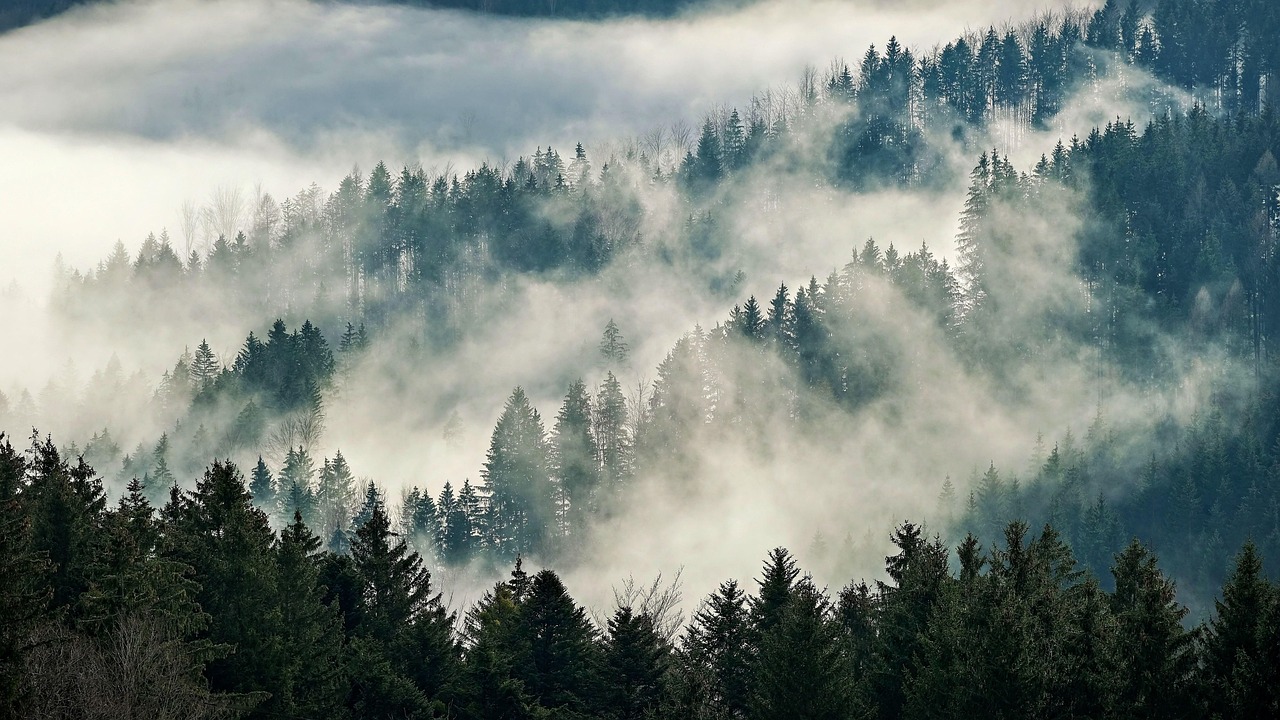
Ask most readers what scares them in a book and they will describe a creature, a murder, a reveal. Ask them what keeps them up at night long after the plot has faded, and the answer is usually vaguer: a hallway, a smell, the sense that a room was recently occupied. The best dark fiction understands that fear is not an event. It is a climate.
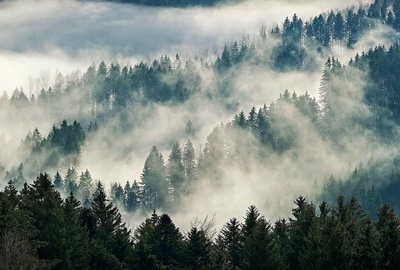
Atmosphere is the least flashy tool in the gothic writer's kit and the most powerful. It works slowly, accumulating through small physical details until the reader's own imagination starts filling in gaps the author deliberately left open. A house that creaks becomes a house that listens. A fog that rolls in becomes a fog that intends something.
The Architecture of Unease
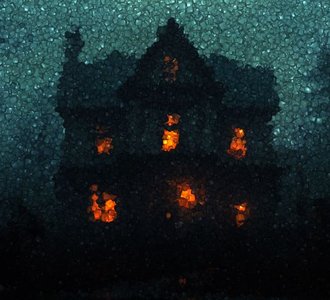
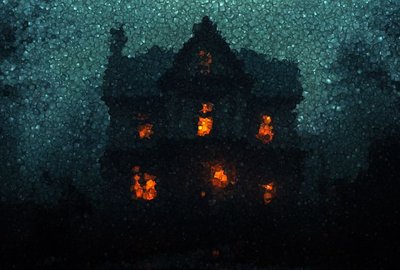
Gothic fiction has always treated buildings as characters. Corridors that turn back on themselves, staircases that descend further than the exterior suggests, windows that face nothing but brick. These are not decorative choices. They are psychological maps. When a protagonist moves through a house whose geography refuses to stay fixed, the reader loses the same footing the character does.
What makes this work is restraint. The house does not need to be haunted on page one. It needs to feel slightly wrong, in ways that could be explained away. A draft from a sealed room. A door that was closed and is now open. The writer offers rational explanations and lets the reader reject them privately. That private rejection is where dread begins.
Weather does similar labor. Rain that will not stop, heat that presses down, snow that erases the road behind the car. These conditions trap characters without a single locked door. They also slow the narrative, and slowness is essential. Fear needs time to steep.
Silence, Withholding, and the Reader's Complicity
The most effective dark fiction withholds. It does not describe the sound from the attic. It describes the character lying still, listening, and then describes the character deciding not to go up. The reader is left holding the unanswered question, and unanswered questions are heavier than answers.
This is why over-explaining kills horror. Once the thing in the basement has a taxonomy, it becomes manageable. The imagination, given a blank space, will furnish it with something worse than any author could describe, because it is tailored to that specific reader's private fears.
Atmosphere also depends on what characters notice. A protagonist who fixates on the smell of a room, the arrangement of chairs, the fact that a clock has stopped, teaches the reader what to fear. We begin to distrust ordinary objects. That distrust is portable. After finishing a genuinely atmospheric novel, readers often find their own homes briefly unfamiliar. A hallway feels longer. A shadow in the corner holds its shape a beat too long.
That is the real achievement of atmospheric dark fiction: it does not end when the book closes. It lends the reader a new set of eyes, and the world they return to is slightly less certain than the one they left. No jump scare, however well-timed, can compete with that.
-
Vampires Without Romance: Reclaiming the Monster in Modern Dark Fiction
Sep 9, 2026Craft & Analysis

-

-
The House That Remembers: Why Gothic Fiction Never Lets Go of Its Haunted Homes
Sep 8, 2026Thematic Deep Dive

-
The Quiet Horror of the Unreliable Narrator: Reading Between the Lines of Dark Fiction
Sep 6, 2026Literary Analysis

-
Vampires Without Romance: Reclaiming the Monster in Modern Dark Fiction
Sep 25, 2026Craft & Technique

-

-
Cold Cases, Old Ghosts: How Mystery and Gothic Fiction Borrow Each Other's Tools
Sep 9, 2026Author Spotlight

-

-

Raven Rock Read

The classic detective and the gothic protagonist share more than a setting. Both are trying to solve a self that has already been compromised.