
Southern Decay, Northern Fog: Regional Landscapes in Dark Fiction
Literary Analysis | September 13, 2026

Horror is local. A ghost story set in a New England fishing village and one set in the Mississippi Delta are doing different work, even when they share a plot. The landscape gets into the sentence. It changes what is possible, what is feared, and what can never be escaped.
Consider the American South as a setting for dark fiction. The heat, the slow rivers, the long memory of violence that has not been addressed. Southern gothic does not need to invent a haunting. The past is already present, structurally, in the way families arrange themselves and the way towns remember. A house in southern gothic is rarely just a house. It is an inheritance, with all the obligation that word carries.
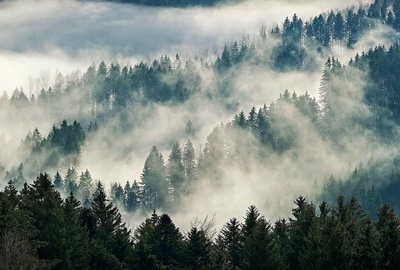
New England produces a colder register. Stone walls, salt air, congregations that have been suspicious of each other for three hundred years. The horror here tends to be theological, or at least moral. Something was done that cannot be forgiven, and the landscape keeps a record. Fog in a New England story is not weather. It is a verdict.
Swamps, Moors, and the Geography of No Exit
Certain landscapes function almost as characters because they deny escape. A swamp does not let you run in a straight line. A moor offers no landmarks. A desert erases your tracks. These places impose a narrative structure on their inhabitants, and dark fiction writers have always known it.
The English moors gave gothic fiction one of its most durable images: a figure alone, a horizon with nothing on it, a house that is the only shelter and also the only threat. The American swamp gave us something different: water that hides, vegetation that conceals, a sense that the ground itself is unstable. Both work, but they produce different fears. The moor fears isolation. The swamp fears what is already underfoot.
Urban settings have their own grammar. A city in dark fiction is a machine for producing anonymity. People disappear into it and are not noticed. Apartment buildings hold thousands of private lives behind identical doors. The horror is not that you are alone. It is that you are surrounded and still unseen.
Writing Place Without Postcards
The failure mode for regional dark fiction is tourism. Descriptions that read like a travel brochure, dialect rendered as decoration, local color applied like paint. The best writers resist this. They let place emerge through what characters do and what they refuse to do.
A character who will not cross a certain bridge tells us more about a town than a paragraph of scenery. A family that keeps the curtains drawn on one side of the house says something about the neighbors. Region becomes real through custom, taboo, and habit, not through landmarks.
This is why dark fiction travels so poorly when it is transplanted. A story written for a Louisiana bayou does not simply work in a Scottish loch. The fears are different. The available exits are different. The history that presses on the present is different. Writers who understand this stop treating setting as wallpaper and start treating it as pressure. The story is what happens to people under that pressure, and what they become when it does not let up.
-

-
The Quiet Horror of the Unreliable Narrator: Reading Between the Lines of Dark Fiction
Sep 4, 2026Craft & Analysis

-
Vampires Without Romance: Reclaiming the Monster in Modern Dark Fiction
Sep 6, 2026Genre Crossroads

-

-
Cold Cases, Old Ghosts: How Mystery and Gothic Fiction Borrow Each Other's Tools
Sep 5, 2026Literary Analysis

-


Raven Rock Read

Pacing is a moral choice in dark fiction. What a writer slows down, and what they refuse to show, shapes everything the reader feels.